


Wisdom Teeth

Eliminate pain and improve your oral health

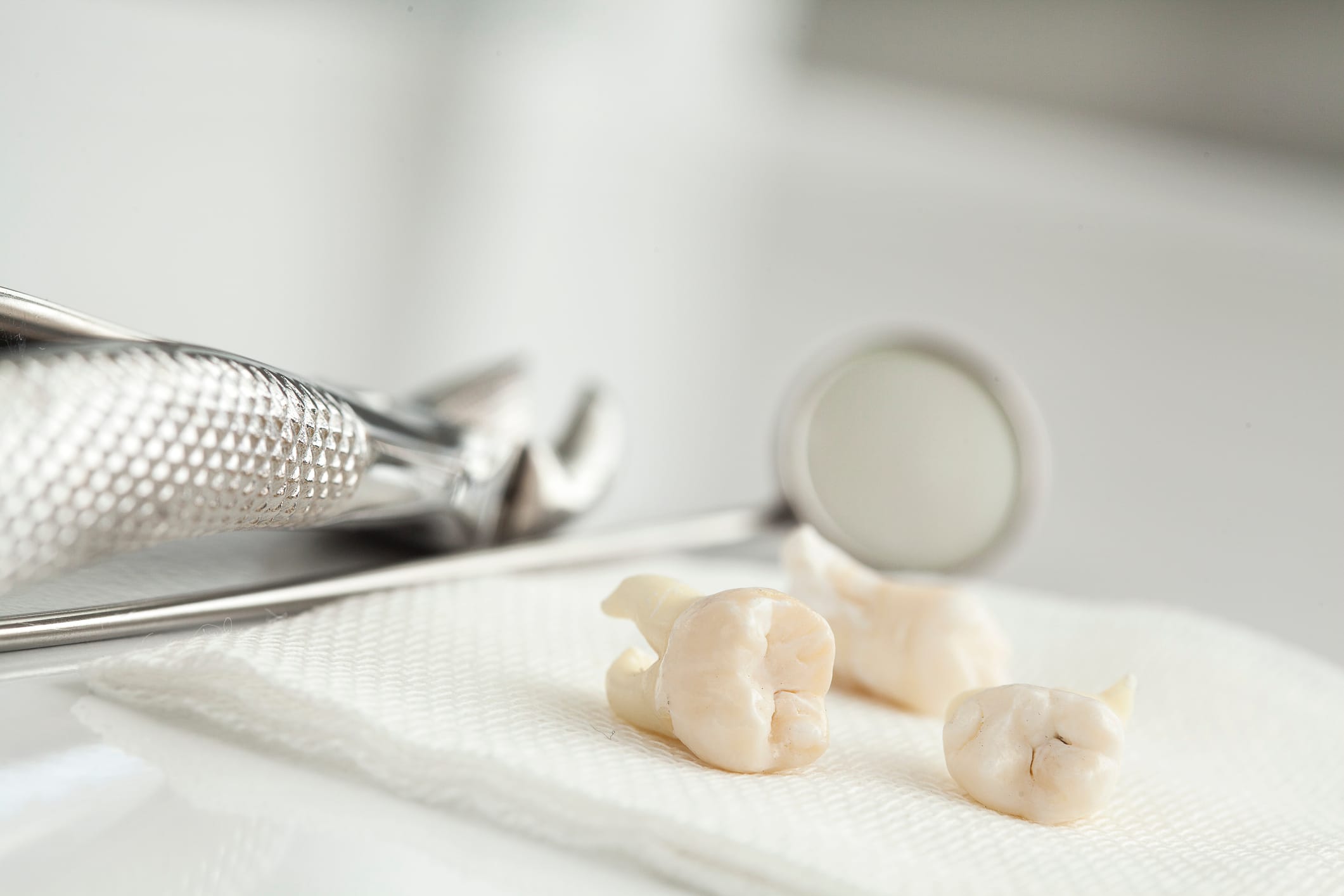
The arrival of your wisdom teeth can cause pain or issues for your other teeth, especially if they become stuck or impacted, grow at an angle or only partially emerge. Wisdom teeth removal is one of the most common surgical procedures in the UK. At Covent Garden Dental Spa, we can treat wisdom teeth that are causing pain or misaligning your smile.

semicircle image
background motif

Why do I need my wisdom teeth removed?

Wisdom teeth, also known as the third molars, usually appear between the ages of 18 and 21. As all your other adult teeth are already in place, they have a tendency to get stuck or grow incorrectly due to lack of space.

If your wisdom tooth is causing you pain, it is important to get it looked at. We can assess the impact of your tooth on the rest of your mouth and remove it if necessary, especially if it is causing unnecessary decay, infection or gum disease. However, some wisdom teeth will not need to be taken out, and can be managed with other treatments.

private dentistry awards 2024 - practice of the year london finalist image

We were thrilled and incredibly proud that we were London Finalists for Practice of the Year at the prestigious Private Dentistry Awards 2024!

semicircle image
background motif

What does wisdom tooth removal involve?

If your wisdom tooth needs to be removed, we discuss the procedure with you in detail and obtain your consent for the surgery before continuing.

A simple extraction is used for wisdom teeth that have fully erupted, so there is no need for surgery. We carefully remove your tooth by loosening it little by little until it is easily able to come out.

If your wisdom tooth is impacted or a difficult case, we use a surgical procedure to remove it. We make a small cut in your gum to successfully extract the tooth, and may need to remove larger teeth in parts. We use local anaesthetic to minimise any discomfort and ensure you are feeling relaxed before beginning the procedure. We also offer sedation which can put you fully at ease if you are feeling particularly nervous.

Once your tooth has been removed, we ensure you are feeling well and give you some tailored advice on what to expect in the first few days following the procedure.

private dentistry awards 2024 - practice of the year london finalist image

We were thrilled and incredibly proud that we were London Finalists for Practice of the Year at the prestigious Private Dentistry Awards 2024!

Frequently asked questions

What is an impacted wisdom tooth?

An impacted wisdom tooth is one which has grown in a wrong or unnatural position. An impacted wisdom tooth may require wisdom tooth surgery to remove it. Your dentist will take x-rays to determine the degree of impaction before removal.

Why does a wisdom tooth give problems?

Due to its late eruption and the lack of space that the jaw may have to accommodate it, the wisdom tooth may not be able to erupt properly or may even remain buried. An impacted wisdom tooth can cause food to be easily trapped and cause gum inflammation and swelling leading to pain and infection.

Do I have to remove an impacted wisdom tooth?

Removal of the wisdom tooth depends on a case by case basis. If the wisdom tooth has come through properly and you are experiencing no problems from it, then it is best to leave it as it is. If however there is difficulty in keeping it clean and there is a high chance that it might give problems in the future then it may be an option to consider removal. We normally observe at least 3 repeat infections before we consider extracting the wisdom teeth.

Is the treatment painful?

We use local anaesthetic to minimise your discomfort during the extraction, and you should not feel any pain. You may experience some pressure as we loosen your tooth, but this will not be painful and should not take long.

How long does it take to remove a wisdom tooth?

The procedure can take anywhere from a few minutes to around half an hour, depending on the complexity of the case. Your dentist will be able to give you an idea of the timescale at your initial appointment.